My Reporting

Chicago’s hottest club is … Seafood City? Viral pop-up dance party comes to the Filipino grocery store

Party in Aisle 8!

Under the fluorescent lights and produce banners of Seafood City Supermarket, an unlikely dance floor opened for over a thousand Chicagoans Friday night.

Inside this Filipino grocery store in the North Mayfair neighborhood, the aisles were packed with crowds waving Philippine flags, children perched on parents’ shoulders and partygoers dancing to club classics and Tagalog ballads like “Bakit Pa” between displays of produce and packaged noodles.

Music thumped throughout the stor...

Illinois orders 21 communities to remove forever chemicals from drinking water by 2029. But who will pay?

Sitting on the Mississippi River flood plains, Collinsville is among a handful of Illinois communities that draw drinking water from the American Bottoms aquifer.

The Metro East town of 30,000 is also one of 21 communities, covering 47 water systems, that contain levels of per- and polyfluoroalkyl substances or PFAS that exceed state and federal standards, according to a statewide investigation by the Illinois Environmental Protection Agency. From small towns along the Mississippi to suburban cities like Crest Hill, the drinking water of more than 400,000 Illinoisans is at risk of contamination.

“Our aquifer is at the mercy of the Mississippi River,” said Michael Crawford, chief operator of Collinsville’s water department. “So anybody dumping anything into that river all the way up to Minnesota could just start happening at any time, and then suddenly PFAS is coming down the river that recharges our aquifer.”

Graduates of Illinois clean energy workforce program gain a vision — and skills for the future

Overlooking the shoreline of Lake Michigan and an aging coal plant, a packed conference room was filled with families, advocates and Illinois legislators celebrating the graduation of two dozen newly trained clean energy workers.

“It’s not lost to me today that we’re sitting on the fifth floor of the College of Lake County in the shadow of fossil fuel energy, talking about clean energy,” said Richard Ammon, the college’s executive director of workforce initiatives. “There’s a reason we’re here, and that’s because the state of Illinois is doing some great things to ensure that we have a clean future, and this program is part of that future.”

With tears in his eyes, Alan Corea, a graduate of the latest cohort, spoke to the crowd last week, reflecting on what this achievement means to him.

“Through this journey, something changed for me,” he said. “I didn’t just gain knowledge about clean energy, equity and justice. I gained confidence, I gained discipline, I gained a vision.”

Counting the Wild

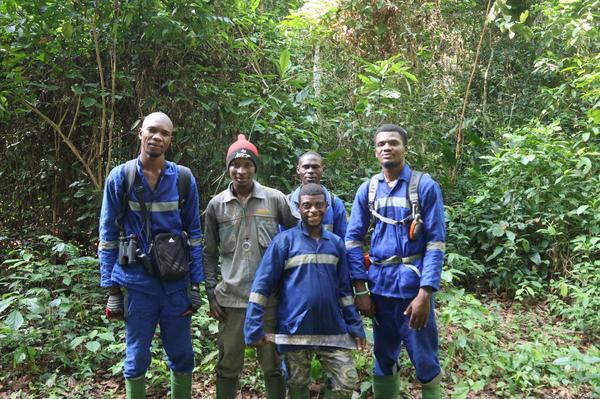
In the jungles of the Central African Republic, a thin white string unfolds along the path of  five wildlife researchers as they head deeper into the Dzanga-Sangha rainforest. For close to eight hours, the group inches their way forward, only moving as fast as a machete can hack away at an unforgiving terrain of thorns and vines.
 
As the team progresses along the transect, they collect samples of animal dung and document footprints, and occasionally install camouflaged cameras at key points of...

As Indiana extends coal and builds data centers, Illinois may be on the hook for neighbor’s AI boom

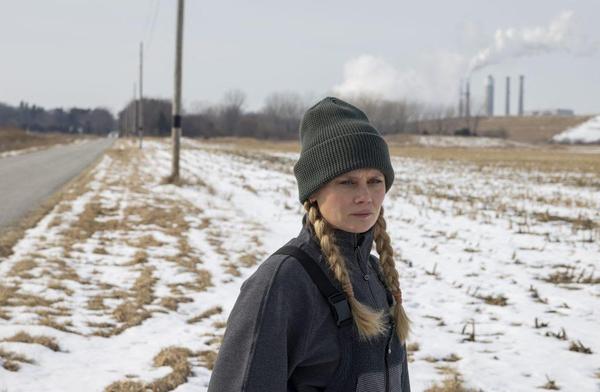
WHEATFIELD, Ind. — Surrounded by farmland and wetlands, three generations of the Hunter family have grown crops and raised cattle, chickens and horses in this quiet corner of northwest Indiana.

When the Hunters first started farming the 20-acre plot “this was their dream property,” said granddaughter Carly Schroeder.

But in recent decades, those fields have sat in the shadow of a massive coal-fired power plant less than a mile away. Over the years, heavy metals have leached into the farm’s soil and groundwater, Schroeder said.

An Army veteran, Schroeder returned home from active duty a year ago, hoping to put down roots near her grandmother’s farm. She believed the timing was right: The R.M. Schahfer Generating Station was expected to retire its coal operations in December.

Illinois Rewilding Law, first in US, a step toward state wetland protection

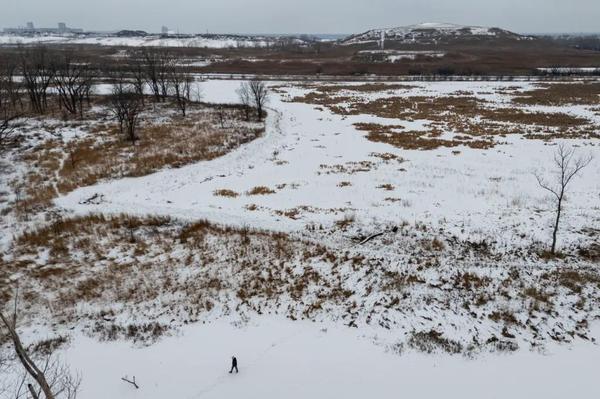
As sweeping changes to the federal Clean Water Act in recent years have weakened protections for wetlands, Illinois has become the first state in the nation to officially recognize a conservation tactic known as rewilding.

The Illinois Rewilding Law, which took effect last month, empowers the Illinois Department of Natural Resources to pursue projects that restore land to its natural state, said Illinois Rep. Anna Moeller, an Elgin Democrat and primary sponsor of the bill.

The law could encompass the reintroduction of keystone species that improve ecosystems, like beavers and bison. But officials and environmentalists say closing the federal gaps in wetland protection is their focus right now. Largely symbolic, the Rewilding Law is the first step toward enacting legislation with permitting powers, they say.

South Side residents protest rejection of Quantum Shore nonbinding referendum

On a brisk Wednesday morning, South Side residents gathered outside New Sullivan Elementary School to demand their voices be heard about a major development rising just across the street: Quantum Shore Chicago.
“No quantum facility, invest in community,” demonstrators chanted.
New Sullivan Elementary will serve as a polling site for the March primary election, where Chicagoans can vote on a variety of federal, state and local races. For over 300 South Side residents, however, one question they h...

Great Lakes ice resurges this winter, but unpredictable shifts threaten businesses and ecosystem

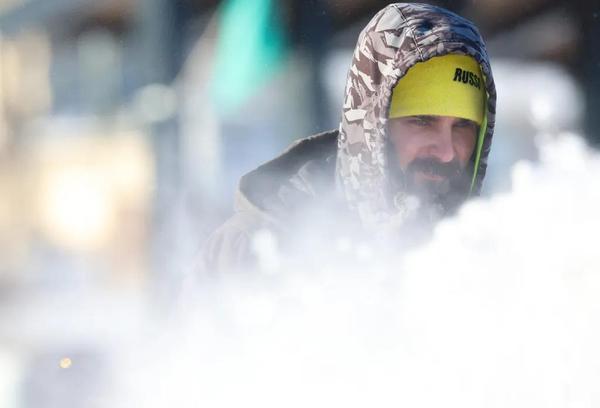
On a brisk January day with wind chills plunging to minus 25 degrees, Paul “Blade” Bloedorn stood out on nearly 2 feet of ice on Lake Michigan’s Little Bay de Noc.

Last weekend, more than 400 shacks speckled the frozen bay, Bloedorn recalled, as ice anglers flocked to the Upper Peninsula to take advantage of perfect ice conditions.

“It’s truly the best time to fish the Noc,” Bloedorn wrote in a blog post to his 10,000 Facebook followers. “Enjoy this ideal ice season to its fullest. It’s the best we’ve had in years.”

As owner of Blade’s Bait and Tackle, a popular fishing outfitter in Gladstone, Michigan, Bloedorn has become a trusted source on Lake Michigan’s daily ice conditions for the Upper Peninsula’s ice anglers — many of whom travel hours to fish the bay.

Nearly a year after asphalt spill in Chicago Sanitary and Ship Canal, EPA criticized for leaving cleanup unfinished

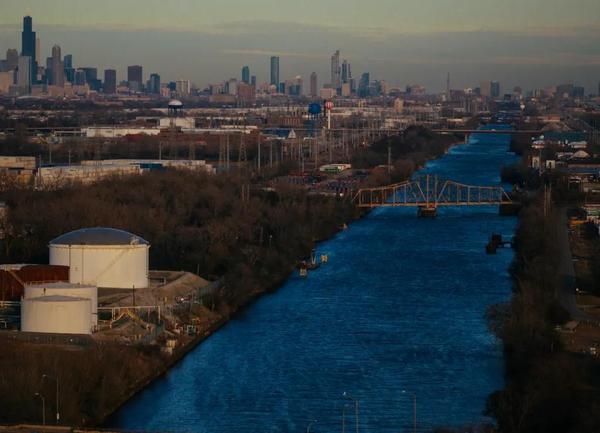
Nearly a year after a toxic asphalt spill in the Chicago Sanitary and Ship Canal, state and local officials and environmental advocates say the U.S. Environmental Protection Agency ended the cleanup effort before it was completed.

A week before Thanksgiving, the agency posted a notice on its website that federal operations in the canal had been concluded.

Environmentalists push back against US EPA plan to extend coal plant closings

The U.S. Environmental Protection Agency is facing strong public opposition to its proposed plans to extend closure deadlines until October 2031 for 11 coal plants across the country — three of which are in Illinois and one in northwest Indiana.

But many environmental experts, including Earthjustice senior attorney Mychal Ozaeta, say the proposal caters to the coal industry rather than protecting communities.

Plans to close dozens of toxic coal ash ponds in Illinois stuck in backlog

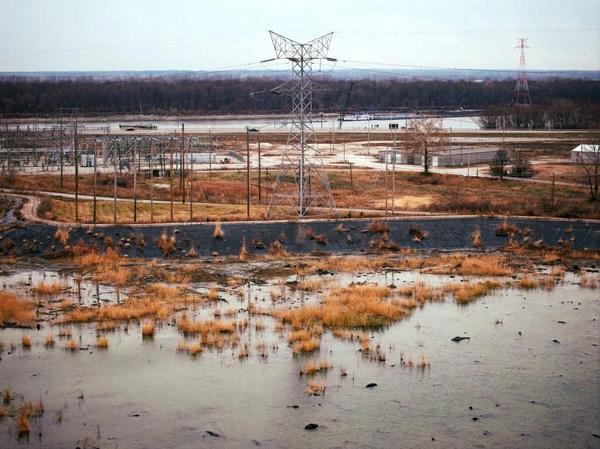
ALTON, Illinois — Where the Wood and Mississippi rivers meet in southern Illinois, over a million cubic yards of toxic coal ash sit on the edge of Illinois’ floodplain, threatening the waterways that surround it.

The retired Wood River Power Station is home to one of 72 coal ash impoundments, or ponds, across Illinois that contain byproducts from former coal combustion plants, according to the Illinois Environmental Protection Agency.

Illinois among states with most cuts to environmental agencies, report shows

In the past 15 years, the Illinois Environmental Protection Agency has faced major budget cuts and a 21% decline in staffing, according to a recent report from the Environmental Integrity Project.

Illinois is among the 14 U.S. states with the most significant cuts to its state environmental agency, the report by the national nonprofit says. These states, which cross political and geographic boundaries, will likely conduct fewer inspections and weaken protections against pollution, said Jen Duggan, executive director of the Environmental Integrity Project.

Illinois settles suit against Monsanto for $120 million for PCBs contamination

Illinois reached a settlement Monday of at least $120 million with Monsanto Co., the largest producer of now-banned PCBs, to address longstanding contamination across the state.

Illinois Attorney General Kwame Raoul sued Monsanto in 2022 over its denial of the health and environmental harms of the hazardous synthetic chemical, known as polychlorinated biphenyls. The lawsuit alleged Monsanto knowingly concealed the dangers of PCBs and continued to produce and distribute it for decades.

Snowy owls’ unusually early visit to Chicago lakefront could signal migratory boom

Over the weekend, hundreds of curious Chicagoans ventured to Lake Michigan beachfronts to witness a birding marvel: the early arrival of snowy owls.

Two snowy owls have been spotted at Montrose Point Bird Sanctuary and a third briefly at Rainbow Beach, according to the Chicago Ornithological Society.

These are earlier than usual in the season, said Edward Warden, president of the Chicago Ornithological Society.

Protecting African forest elephants, the miners of the Congo Basin

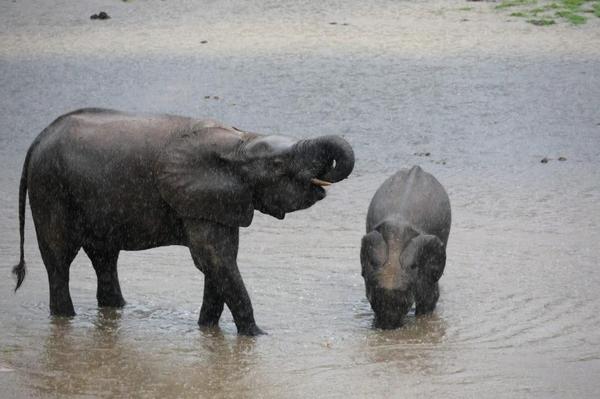
Deep within the rainforests of the Central African Republic’s Dzanga-Sangha Protected Areas, conservation teams are fighting to safeguard one of the last strongholds of the African forest elephant. 

Here, in a clearing known as Dzanga Bai, forest elephants gather by the hundreds — one of the few places on Earth where this critically endangered species can be observed in such numbers.

What makes Dzanga Bai — meaning “village of elephants” in Sango — so attractive to these African giants? Th...

Chicago Prepares Development Plan For Industrial Zone With Priority for Water and Wetland

Restoring neglected waterways of the Southeast Side.

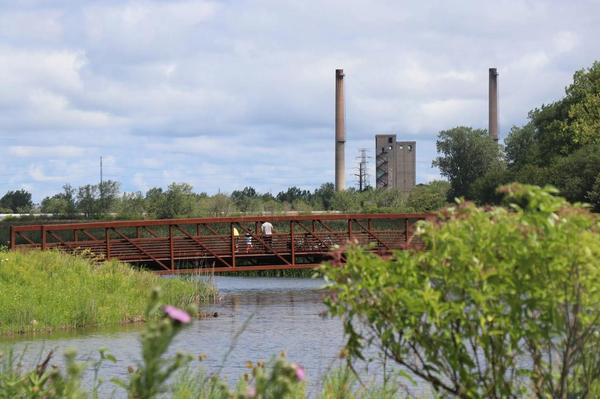
For 70 years, from 1900 to 1970, the Calumet River on Chicago’s Southeast Side provided the cooling water, waste disposal, and shipping channel for a dense collection of steel, chemical, and metals manufacturing plants matched in few other regions of the country. 

When the last of the plants closed in the late 20th century, Chicago authorities and Southeast Side residents were left with an unyielding and difficult challen...

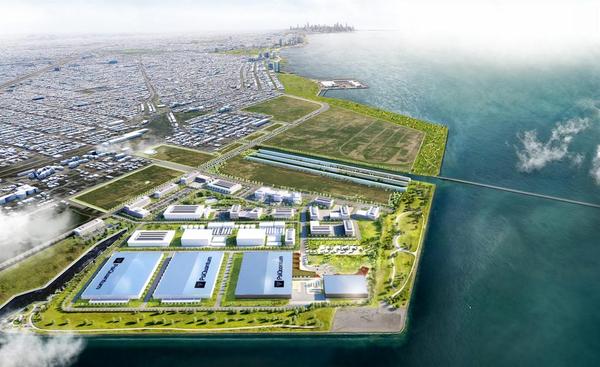
Chicago’s “Quantum Prairie” Promises New Era of Great Lakes Technology and Water Use

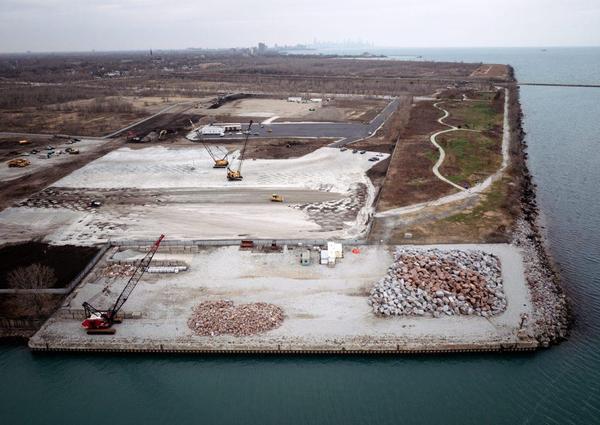
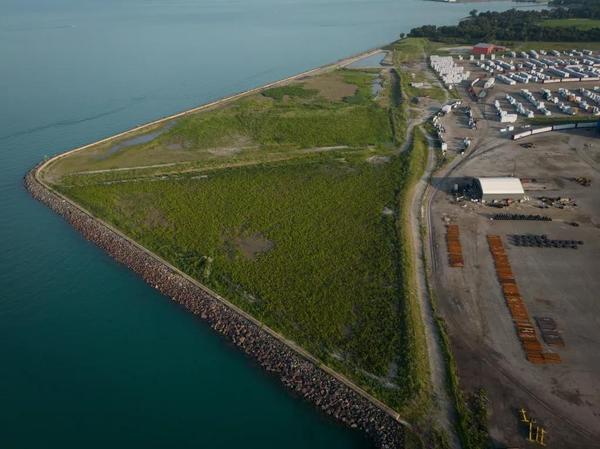
Where the mouth of the Calumet River meets Lake Michigan on Chicago’s Southeast Side is an abandoned lakefront parcel where one of the world’s largest steel mills once operated. For over 100 years, U.S. Steel South Works provided jobs to over 20,000 Chicagoans at its peak and served as one of the Windy City’s largest employers. 

In 1992, South Works closed, leaving behind a legacy of heavy industry and pollution.

Now, Chicago is making a leap forward into the next era of Great Lakes economic d...

Environmental coalitions work to block invasive carp from Great Lakes - Medill Reports Chicago

By Christiana Freitag
Medill Reports
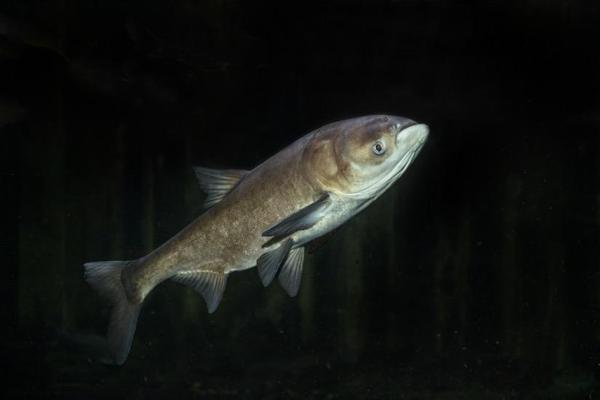
When loud barges pass along the Mississippi River, a flurry of oversized silver carp can be seen leaping into the air. These noise-sensitive invasive fish escaped from aquaponic ponds on the lower Mississippi in the 1990s, and continue to pose an ongoing ecological threat to the Great Lakes. As filter feeders, invasive carp can quickly overtake and overpopulate ecosystems, impacting the food sources of other native fish, according to aquatic nuisance exper...

As Chicagoans Brace for Higher Water Bills, Groups Push for Affordability Reforms - Inside Climate News

On Sunday Chicagoans will face another spike in their water bills after seeing rates more than double over the past 15 years.


The latest increase—4 percent—comes as environmental justice groups are fighting for more water-affordability protections. 


“Water is just as important as energy,” said Iyana Simba, city government affairs director at the Illinois Environmental Council. “If we don’t have water, we don’t have life. So for us, we want to draw attention to the things that are affecting...
Load More

Let's connect!